
The Cleanest Animals in the World often maintain hygiene far more naturally than humans do. You shower once a day, while some animals never seem to stop cleaning. While humans need soap, shampoo, and a dedicated hygiene routine, several species in the animal kingdom keep themselves immaculately clean through instinct alone.
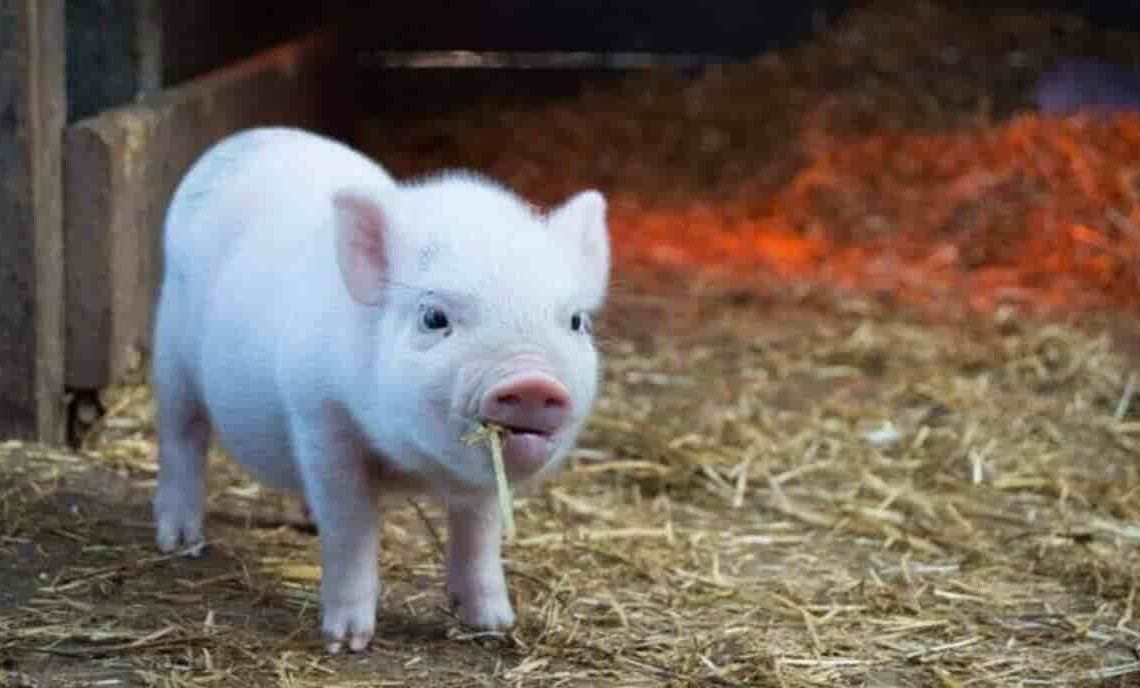
The cleanest animals in the world include cats, dolphins, birds, and certain insects like ants and bees – based on their grooming habits, natural antimicrobial properties, and behavior. Contrary to popular belief, pigs are not inherently dirty; they wallow in mud to regulate temperature, not because they’re unclean.
What Makes an Animal ‘Clean’?
Cleanliness in the animal world isn’t measured by human standards. When we call an animal clean, we generally mean one or more of the following:
- It grooms itself or others regularly to remove parasites, dirt, and bacteria
- It avoids soiling its own living space
- It has natural antimicrobial properties in saliva, skin, or behavior
- It separates waste areas from eating and sleeping areas
Top 7 Cleanest Animals
| Animal | Cleaning Habit | Fun Fact |
|---|---|---|
| Domestic Cat | Spends up to 50% of waking hours grooming | Cat saliva contains enzymes that act as a natural antibacterial agent |
| Dolphin | Constantly sheds outer skin layer; social grooming | Dolphins can detect and avoid water contaminants instinctively |
| Ant | Grooms itself and colony members obsessively | Ants have special glands that secrete antimicrobial compounds during grooming |
| Bee (Honey Bee) | Wax cells are cleaned before each egg or honey deposit | Bees coat their hives with propolis, a natural antimicrobial resin |
| Deer | Licks wounds, grooms coat, separates waste areas | Deer are rarely seen in their own waste; they move sleeping spots regularly |
| Tiger | Like cats, tigers groom extensively after eating | Tigers clean their paws and face after every meal, removing all blood and residue |
| Rabbit | Grooms multiple times daily; rarely has odor | Domestic rabbits are often compared to cats for grooming thoroughness |
Why Cats Are Obsessive Self-Groomers
Cats are arguably the most well-known clean animals – and the behavior goes deeper than appearance. Grooming serves multiple biological functions for a cat:
- Removes loose fur and skin debris
- Distributes natural oils through the coat for insulation and waterproofing
- Activates Vitamin D production through licking sun-exposed fur
- Regulates body temperature through saliva evaporation
- Calms the nervous system – grooming is a stress-relief mechanism
A cat that stops grooming is almost always unwell – it’s one of the earliest signs of illness or depression in felines.
The Truth About Pigs – Myth vs. Reality
Pigs have an unfair reputation. The ‘dirty pig’ image is one of the most persistent misconceptions in popular culture – and it’s almost entirely wrong.
| Myth | Reality |
|---|---|
| Pigs are dirty and smelly | Pigs are actually among the cleanest farm animals – they designate separate toilet areas away from sleeping/eating spaces |
| They wallow in mud because they’re unclean | Pigs have no sweat glands; mud is their sunscreen and temperature regulator |
| They eat anything, so they must be dirty | Pigs are selective eaters in the wild; the omnivore reputation comes from captive/commercial conditions |
| They are disease-ridden | Wild pigs follow clean habits; disease links are environmental, not inherent to the species |
Cleanest vs. Considered Least Clean Animals
| Cleanest Animals | Considered Less Clean (Misconceptions Included) |
|---|---|
| Cats | Pigs (myth – they’re actually quite clean) |
| Dolphins | Vultures (use stomach acid to neutralize bacteria in carrion) |
| Ants & Bees | Flies (genuinely spread pathogens via landing behavior) |
| Rabbits | Cockroaches (carry bacteria but also groom constantly) |
What Humans Can Learn from Animal Hygiene
Some animal cleaning behaviors have actually informed human medicine and hygiene practices:
- Propolis from bees is used in natural dental and wound-healing products
- Studying antimicrobial compounds in ant grooming has contributed to antibiotic research
- Dolphin skin’s self-cleaning properties have inspired antifouling coatings in marine engineering
Nature doesn’t have soap – but it has millions of years of evolved cleaning solutions that are, in many ways, more sophisticated than anything in our bathroom cabinet.