

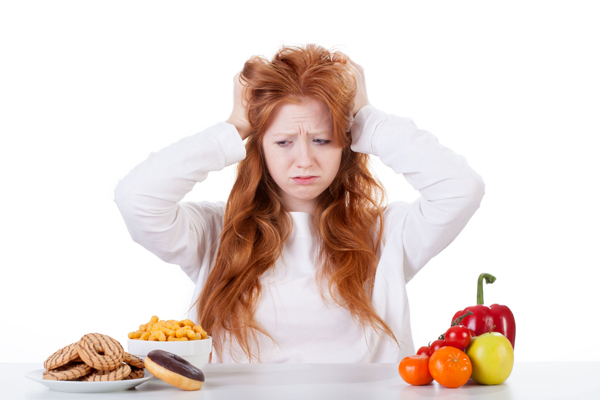
Stress is a natural response to challenges, pressure, or emotional strain. While occasional stress can motivate people to perform better, chronic or intense stress often affects both mental and physical health. One of the most noticeable effects of stress is the sudden craving for specific foods. Many people find themselves reaching for sugary snacks, salty chips, or high calorie comfort foods during stressful moments.
These cravings are not random. They are the result of complex biological, hormonal, and psychological processes happening inside the body. Understanding why stress triggers certain food cravings can help individuals manage their eating habits more effectively and maintain better overall health.
The Role of Stress Hormones
When the body experiences stress, it activates the “fight or flight” response. This response is controlled by the nervous system and leads to the release of stress hormones such as cortisol and adrenaline.
Adrenaline prepares the body to react quickly by increasing heart rate and alertness. Cortisol, on the other hand, plays a major role in appetite regulation. While adrenaline temporarily reduces hunger, cortisol tends to increase appetite after the immediate stress response subsides.
Higher cortisol levels signal the body to replenish energy. As a result, people often feel hungry and crave foods that provide quick energy, especially those rich in sugar, fat, and carbohydrates.
Why Stress Triggers Cravings for Sugary Foods
One of the most common stress related cravings involves sugary foods such as chocolates, desserts, and sweet drinks. These cravings occur because sugar can quickly boost energy and stimulate the release of dopamine, a chemical associated with pleasure and reward.
When people eat sugar during stressful moments, the brain temporarily experiences feelings of comfort and relief. This creates a short term emotional reward. Over time, the brain may begin to associate sweet foods with stress relief, reinforcing the craving pattern.
However, the effect is temporary. Once blood sugar levels drop again, fatigue and mood swings may follow, which can lead to more cravings.
The Comfort Food Effect
Stress often triggers cravings for foods commonly described as comfort foods. These include items like pizza, fried foods, pasta, ice cream, and processed snacks.
Comfort foods tend to be high in carbohydrates and fats. Carbohydrates help increase serotonin levels in the brain. Serotonin is a neurotransmitter linked to mood regulation and emotional stability.
During stressful periods, people subconsciously seek foods that boost serotonin because they help reduce anxiety and improve mood. This is one reason why individuals may turn to familiar or nostalgic foods when they feel emotionally overwhelmed.
Emotional Eating and Psychological Factors
Food cravings during stress are not only driven by hormones but also by psychological responses. Many individuals develop emotional eating habits where food becomes a coping mechanism for dealing with difficult emotions.
Stressful situations may trigger feelings such as frustration, anxiety, sadness, or exhaustion. Eating pleasurable foods can temporarily distract the mind and create a sense of comfort.
In some cases, emotional eating becomes a learned behavior. If someone regularly turns to food when feeling stressed, the brain begins to associate eating with emotional relief. Over time, this can lead to habitual stress eating even when the body does not actually need more calories.
Stress and the Brain’s Reward System
The brain’s reward system also plays a major role in stress related cravings. Foods that are high in sugar, fat, or salt activate reward pathways in the brain.
These foods stimulate the release of dopamine, which creates a pleasurable sensation. Under stress, the brain becomes more sensitive to these reward signals.
Research suggests that chronic stress can weaken the brain’s ability to control impulses while strengthening the desire for rewarding foods. This makes it harder for people to resist unhealthy snacks when they feel stressed.
Why Some People Lose Appetite Instead
Interestingly, not everyone eats more during stress. Some individuals experience the opposite reaction and lose their appetite.
This happens because stress responses can vary depending on the individual and the situation. During acute stress, adrenaline may suppress hunger temporarily. Once the stressful event passes, appetite usually returns.
People who experience chronic stress over longer periods are more likely to develop increased appetite and cravings.
Stress, Sleep, and Cravings
Sleep and stress are closely connected. High stress levels often lead to poor sleep quality or insomnia. Lack of sleep affects hormones that regulate hunger and fullness.
Two important hormones involved in appetite control are ghrelin and leptin. Ghrelin stimulates hunger, while leptin signals fullness.
Sleep deprivation increases ghrelin levels and reduces leptin levels, making the body feel hungrier than usual. This hormonal imbalance often intensifies cravings for calorie dense foods.
As a result, individuals who are stressed and sleep deprived may experience stronger food cravings and increased snacking.
Nutritional Deficiencies and Stress Cravings
In some cases, stress related cravings may also be linked to nutrient imbalances. For example, low levels of magnesium, iron, or certain vitamins may increase cravings for specific types of foods.
Magnesium plays a role in stress regulation and nervous system function. When magnesium levels drop, the body may crave chocolate or other foods that contain magnesium.
Similarly, fatigue caused by nutrient deficiencies can increase the desire for quick energy sources such as sugary snacks.
Maintaining a balanced diet helps stabilize energy levels and may reduce intense cravings.
Healthy Ways to Manage Stress Cravings
Although stress related cravings are common, there are effective ways to manage them without completely ignoring the body’s signals.
Practicing stress management techniques can reduce the urge to rely on food for comfort. Activities such as exercise, meditation, breathing exercises, and spending time outdoors can lower cortisol levels and improve mood naturally.
Eating balanced meals that include protein, fiber, and healthy fats can also help stabilize blood sugar levels and prevent sudden hunger spikes.
Keeping healthy snack options available can make it easier to satisfy cravings in a healthier way. Foods like fruits, nuts, yogurt, and whole grain snacks provide nutrients while still offering satisfying flavors.
Building awareness around emotional eating patterns is also important. Recognizing whether hunger is physical or emotional helps individuals make more mindful choices.
Conclusion
Food cravings during stress are the result of complex interactions between hormones, brain chemistry, emotional responses, and lifestyle habits. Stress hormones such as cortisol increase appetite, while the brain seeks foods that provide comfort and quick energy.
Sugary, fatty, and carbohydrate rich foods activate the brain’s reward system, which temporarily improves mood but may lead to repeated cravings. Poor sleep, emotional eating patterns, and nutrient imbalances can further intensify these cravings.
Understanding the science behind stress eating allows individuals to develop healthier coping strategies. By managing stress, maintaining balanced nutrition, and practicing mindful eating, it becomes possible to reduce unhealthy cravings while supporting both mental and physical well being.
===============
